Peter Aylen & The Shiners’ War
The early days of Ottawa, or Bytown as it was called, were plagued with violence and anarchy. For a period of time, one group in particular, the Shiners, terrorized the citizens of Bytown with violent attacks, intimidation and exploitation. During this period, Bytown was a lawless place and the Shiners ran the town.
Irish Navvies
During the construction of the Rideau Canal, Irish labourers left wretched poverty in Ireland and came to Canada to work as navvies, doing the most dangerous and arduous work. As the Canal neared completion, the navvies were left unemployed. With no education and considered the lowest class in society, there was no work for them except in the lumber trade. However, at this time, lumber employment in the Ottawa Valley was mainly dominated by French Canadians. As such, a rivalry began between these two groups. Violent brawls between them would result in maimings and even deaths.
King of the Shiners
The out of work Irish found a leader and champion in a man named Peter Aylen. Although born in Liverpool England, Aylen’s family came from Ireland and he sympathized with his fellow Irishmen. Aylen owned the rights to many lumber operations in the Ottawa Valley and only hired his fellow countrymen. Aylen gained the loyalty of his men by being the only citizen to treat them with respect and rewarding them with food, drink and prostitutes. The group became known as the Shiners and Aylen became known as the King of the Shiners.
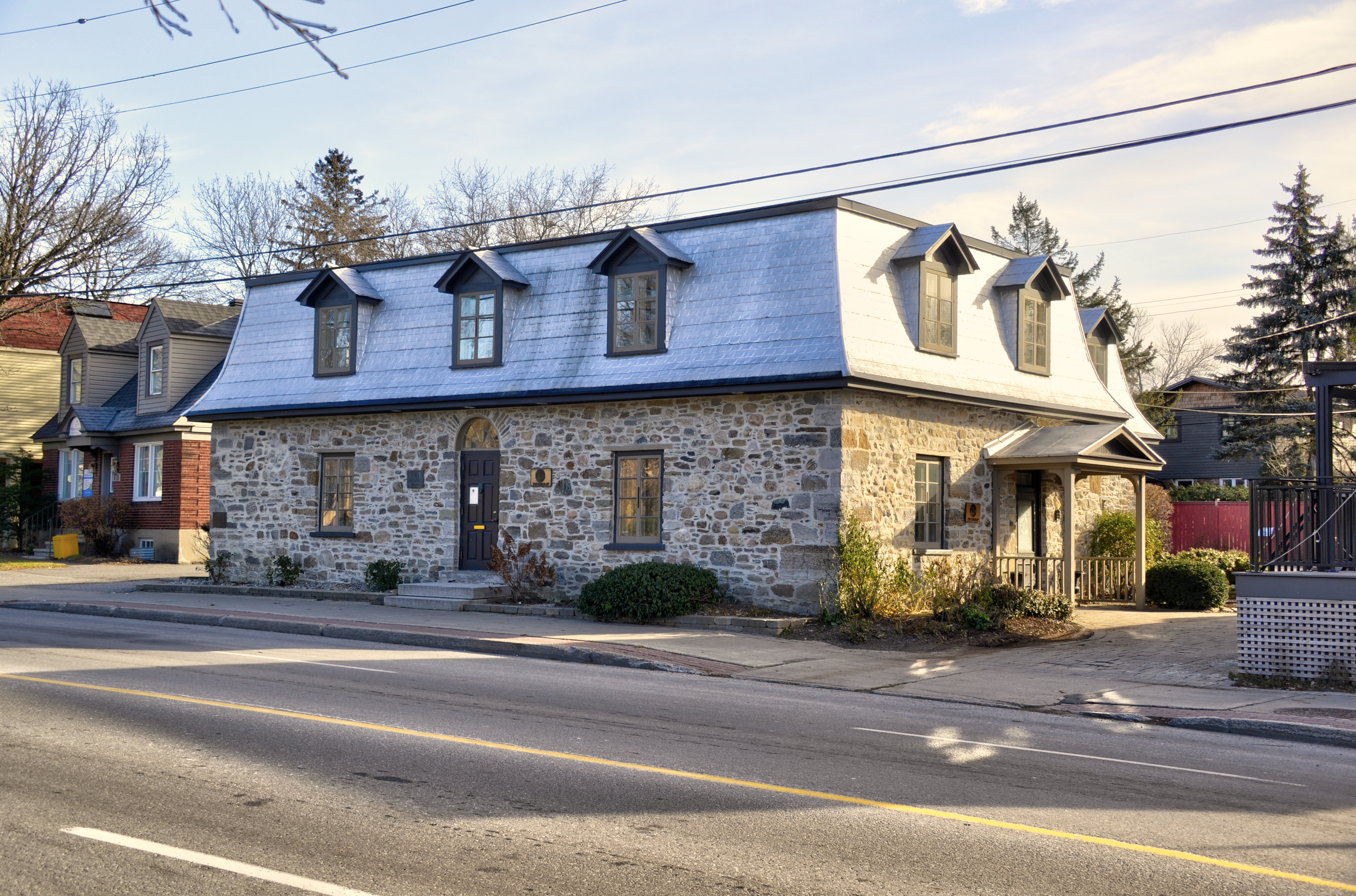
Source: Kevin Ballantyne
Anarchy
Aylen and the Shiners wreaked havoc throughout Bytown, particularly in Lowertown. Most of the violence occurred between the 2 groups of Catholics, the Shiners versus the French Canadians. Fights broke out in bars, on the streets and on timber rafts when the Shiners attempted to stop French Canadians from leaving with their timber for Montreal.
The Shiners would also fight with the Protestant Irish, known as Orangemen. In one instance, they severely beat the pregnant wife of an Orangeman farmer and mutilated his horses by cutting off their ears and tails. On 3 separate occasions, the Shiners attempted to kill James Johnson, another Orangeman and rival of Peter Aylen. Vandalism, rape, assault and murder were all common place crimes committed by the Shiners in the town.
There was no police force in Bytown and the closest courthouse and jail was in Perth about 80kms away. If anyone was arrested and was being sent to Perth, the Shiners would ambush the carriage and break the individual out on the journey. Constables in charge of taking the prisoners to Perth would no longer make the trek as it was becoming too dangerous. The magistrates of the town petitioned the Bathurst District Council in Perth to build a courthouse and jail but the petition had no effect.
Political Control of Bytown
Peter Aylen used his Shiners to gain political control of Bytown. In August 1835, Aylen and a group of his men attended a meeting of the Bathurst District Agricultural Society. Aylen gave each of his men 1 dollar, the admittance fee for the society, and had himself elected president and his men elected as directors, effectively taking over the society.
Up until this point, the mainly Protestant English and Scottish residents of Uppertown paid little attention to the Shiners as long as the violence was mostly contained Lowertown and between the Catholics. However, with the Shiners taking over an important part of Bytown society, the prominent citizens of the town came together to form the Bytown Association for the Preservation of the Peace and asked for arms from the town’s magistrates. This did not stop Aylen’s want for power.
At a Nepean Township Council meeting in early January 1837, Aylen attempted to take control of the council as well. He was elected as one of three councilors but he demanded that the other 2 be filled with his Shiners. He came to the meeting with about 40-60 of his men and when he was refused, a violent brawl broke out. At the time, Bytown received little help from the military on Barrack’s Hill as they saw the Shiners as a civilian matter. In this instance, the brawl was broken up by the military.
War’s End
With the arrests and conviction of several Shiners in late 1837, the hold the Shiners had on Bytown was coming to an end. As the 1840s approached, the violent outbreaks from them diminished as more Bytown citizens came together to keep the town safe. Aylen had also stopped leading the Shiners and ended up moving to Aylmer, becoming a respected member of the community. Bytown would also see its first courthouse and jail in 1842 which helped bring an end to the Shiners reign of terror in the town.
Sources:
- Cotton, Larry D. Whiskey and Wickedness: Rideau River Valley of Carleton, Lanark, Leeds and Grenville Counties. Lanark, ON: Larry D. Cotton Associates, 2007. ISBN 9780978487508. https://archive.org/details/whiskeywickednes0000cott_a8q3
- Powell, James. “The Shiners’ War.” The Historical Society of Ottawa, section Momentous Events in the City’s Life, accessed March 1, 2026. https://www.historicalsocietyottawa.ca/publications/ottawa-stories/momentous-events-in-the-city-s-life/the-shiners-war?utm_source=chatgpt.com
- Workers’ Heritage Centre. “The Shiners’ War,” Workers’ Heritage Centre, accessed March 1, 2026. https://whc-cpo.ca/shinerswar_e.html
- Schneider, Stephen. Iced: The Story of Organized Crime in Canada. Mississauga, ON: John Wiley & Sons, 2009. https://books.google.ca/books?id=ZO8jKSn25DAC&pg=PA59